
Layout of company catalogues
A paper catalogue is a printed product containing information about the goods or services of a company. We carry out professional design and layout of company catalogues: from developing the design concept and creating the mock-ups to laying out the pages and preparing the files for printing.
- Design in the corporate style of the company
- A well-thought-out structure with products organised by category
- A4, A5 and square formats
- Files prepared for printing according to the printing house requirements
A paper catalogue is a kind of printed product that contains information about the goods or services a company offers. It can be organised as a book, a booklet or a magazine and contains information about the products – the name, the description, an image, the price and additional features. The most important thing in such an edition, however, is the layout of the catalogue.
Effective advertising catalogues
To create effective advertising catalogues, several key points should be taken into account:
- Attractive design. The design of the catalogue should be attractive and should match your brand identity. Use colours and fonts that your customers recognise easily, and keep the design consistent across all the pages of the catalogue to create a single style.
- A well-thought-out structure. The structure of the catalogue should be simple and intuitive. Organise the products by category and make sure that every product has a clear description and a good image.
- Excellent image quality. Product images have to be of high quality, because they give the buyer the fullest possible idea of the product. Take photographs from different angles and use professional lighting.
- Creativity in presenting the products. Present the products in a creative light, using slogans and taglines to engage customers and hold their attention.
- A suitable format and printing method. Choose the format and the printing method that best suit your needs and your budget. Different formats and printing methods produce different effects.
- The size and the cover design. The cover of a catalogue creates the first impression and can influence the buyer’s decision about what to look at. Choose the design and the cover so that they attract attention and match the objectives of the catalogue.
- A reliable contractor. Consider approaching professional companies that specialise in producing advertising catalogues. This guarantees high quality and reliable printing.
You should also take the needs and interests of your target audience into account, because in the end the aim is to create a catalogue that will attract them and satisfy those needs.
Catalogue design and layout services
The catalogue design and layout process looks like this:
- the process starts with an analysis of the customer’s requirements and a definition of the goals of the project;
- the designers then create several design concepts, from which the customer chooses the most successful one;
- once the concept has been approved, the mock-ups and the page layout are created, including the placement of text, images and other elements;
- finally the files are prepared for printing, including a check of their quality and of their compliance with the requirements of the printing house.
To carry out the design and layout of a company catalogue we need the following information and materials:
- The concept of the catalogue. Its purpose, tasks, subject matter, style and general idea.
- Information about the goods and services. Product descriptions, photographs, specifications, characteristics, prices and other information.
- The logo and the corporate style. The company logo, colours, fonts and other elements of the corporate identity that are to be used in the catalogue.
- Graphic materials. Photographs of the products, illustrations, diagrams and charts.
- Text materials. Text descriptions of the products, short characteristics and advantages of the products, and any other texts needed to create the catalogue.
- Additional materials. The design of previous catalogues or brochures, the brand book, templates, competitors’ materials and so on.
- Technical requirements. The format and size of the catalogue, the requirements for image resolution and other technical requirements.
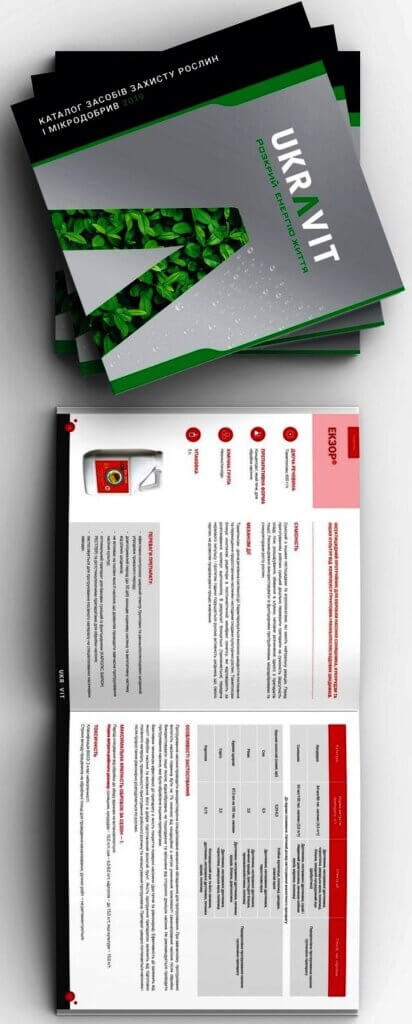
All these materials help the designer and the typesetter create an attractive and informative catalogue that will be an effective sales tool for your company.
Competent layout of a catalogue can take a lot of time and requires the professional skills of a designer and a typesetter, so if you do not have enough experience and knowledge it is worth approaching specialists in order to get a better result.
The cost of catalogue layout
The cost of catalogue layout can depend on many factors, including the following:
- The number of pages. The more pages the catalogue has, the higher the cost of the layout, because every page requires individual handling and the addition of text and images.
- The complexity of the design. If a complex design has to be developed – a non-standard format, an unusual layout or unusual typography – the cost of the layout may be higher.
- The number and complexity of illustrations and photographs. If the catalogue contains many images that need processing and editing, the cost of the layout can increase.
- Typographic requirements. If the customer requires the use of certain fonts or special typographic elements, this can increase the cost.
- The urgency of the order. If the customer needs the layout done in the shortest possible time, this can raise the cost, because there is less time to prepare the materials and do the work.
- Preliminary preparation of the materials. If all the materials – texts, photographs, illustrations and so on – are supplied by the customer in advance and are ready for layout, this can reduce the cost of the work.
- The qualification and experience of the contractor. The price of catalogue layout also depends on the experience and the qualifications of the typesetter.
In general the cost of catalogue layout depends on a number of factors and can vary considerably depending on the specific requirements and conditions of the order. To find out the exact cost, it is best to contact specialists in this field and discuss all the details of the project.
Corporate identity in the layout of a company catalogue
The use of corporate identity in company catalogues is an important element in building the image of a company and its recognisability. Corporate identity can include the logo, the colour scheme, the fonts, stylised elements and so on. In company catalogues these elements are used to create a single style that matches the corporate identity of the company. This makes it possible to distinguish the company’s goods and services on the market, increase brand recognition and shape the image of the company among its target audience.
In addition, the use of corporate identity in company catalogues helps to create an impression of professionalism and improves the perception of the information about the goods and services. One of the main advantages is the opportunity to create a positive impression of the company and its products already at the stage when the reader is getting acquainted with the catalogue.
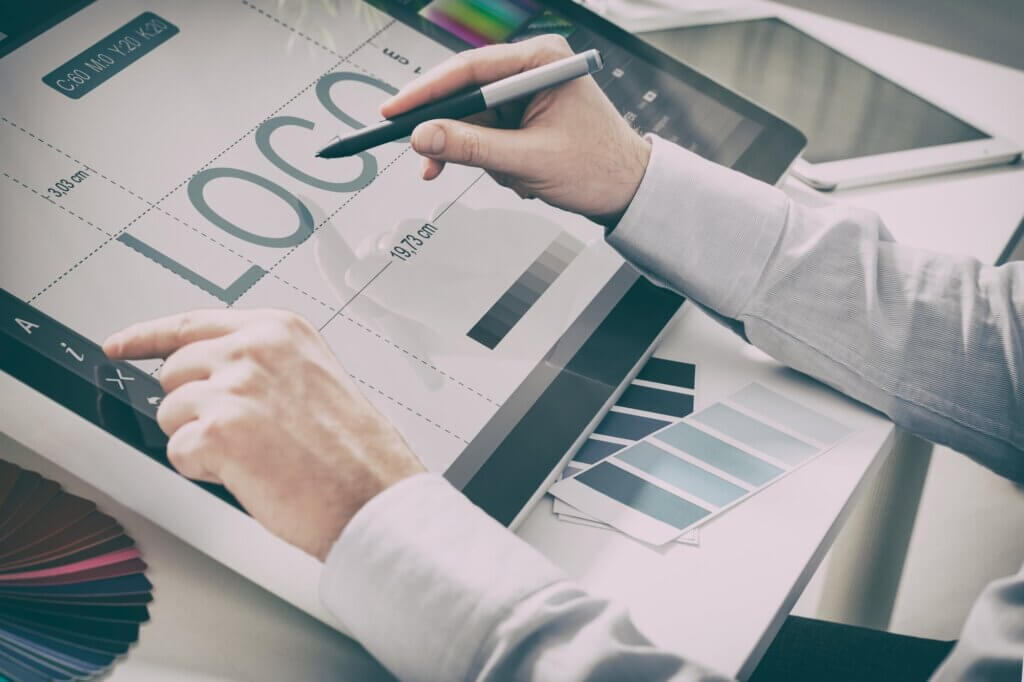
The use of corporate identity in company catalogues is an important marketing tool: it helps to create a single identity for the company and its products, improves its recognisability and attracts new customers.
Developing corporate identity for the layout of a catalogue is a responsible and creative process that requires certain knowledge and skills. If you want to order the development of corporate identity for a catalogue layout from a publishing house designer, you should keep the following points in mind:
- Define your requirements and wishes. Before approaching a designer, decide what elements of corporate identity you need and what requirements and wishes you have.
- Study the designer’s portfolio and assess their experience and style of work.
- Discuss the details of the project. Get in touch with the designer and discuss the goals, the deadlines, the budget and other important points.
- Provide all the necessary materials. To develop the corporate identity for the catalogue layout the designer needs all the necessary materials: the logo, photographs, texts and so on.
- Discuss the designer’s options and suggestions. Once the designer has offered you several variants of the corporate identity, discuss them and choose the best one.
- Approve the final version. After choosing the most suitable variant, approve it and give the designer all the materials needed for the layout of the catalogue.
Format, size and orientation for company catalogues
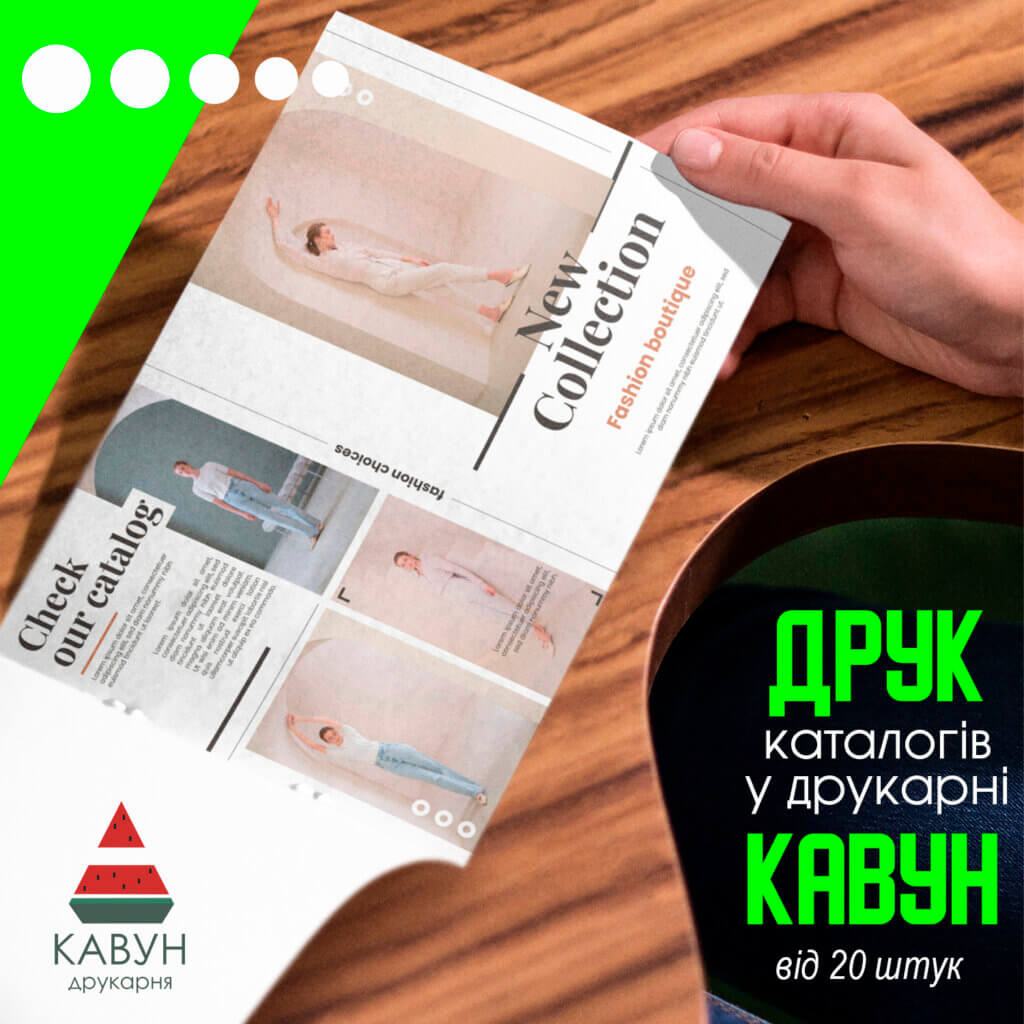
The format, size and orientation of company catalogues can differ depending on the goals, the characteristics of the products and the preferences of the customer. There are, however, certain standards and formats that are used most often.
Format. The most common formats are A4, A5 and the square format.
- A4 (210×297 mm) is suitable for large catalogues with a lot of information and images.
- A5 (148×210 mm) is used for smaller catalogues.
- The square format (for example 210×210 mm) is most often used for catalogues of fashion brands or of products where the design matters.
Size. The size of a catalogue should be convenient for reading and browsing.
- Large catalogues can be uncomfortable to read on a bus or in the underground.
- A size that is too small may not allow enough information and images to be placed on the page.
Orientation. The choice of orientation – landscape or portrait – depends on the goals and tasks of the catalogue and on the type of content that will be placed in it. Both orientations can be effective, depending on the circumstances.
- Portrait orientation is the most common for catalogues that contain a lot of text and tabular data. It provides comfortable reading and orientation within the content and gives the best opportunity for organising the information carefully.
- Landscape orientation is often used for catalogues that contain many images, photographs or charts. This kind of catalogue conveys visual information better and has a more modern look.
Ideally the choice of orientation should be made taking into account the goals of the catalogue, the preferences of the audience and the nature of the content. It is also important to remember that the size and the orientation should be convenient for reading and browsing: large portrait catalogues may be awkward to read on a bus or in the underground, while landscape catalogues may not fit into a bag or a backpack.
What's included in the service
Development of the design concept
Creation of the mock-ups
Layout of the pages
Preparation of the files for printing
Workflow
Planning
Defining the goals of the catalogue and the target audience, developing the design concept and choosing the style and colour scheme.
Creating the mock-up
Determining the page size, the number of pages and the placement of the elements on the pages.
Placing the information
Placing the text, images, prices and other information according to the organisation of the catalogue, and aligning the elements to give a single balanced design.
Working with fonts
Choosing fonts that are easy to read and combine well with the rest of the design of the catalogue.
Creating tables and charts
If the catalogue contains tables and charts, checking that they are clear and easy to read.
Preparation for printing
Checking that everything is designed correctly, correcting errors and aligning the elements. All images and fonts must be of high resolution and ready for printing.
Ready to get started?
Submit your request - a manager will contact you within the day with a detailed quote.