
Printing fanfiction
Printing fanfiction in book format, in a hard or soft cover. We will help turn your fanfiction into a properly published book: from typesetting and cover design to printing, binding and delivery.
- Printing in a hard or soft cover
- A choice of different paper types
- Cover design and ISBN assignment
- Print on demand in small runs
Fanfiction can be a difficult concept for those unfamiliar with the idea. In short, a fanfic is a work based on existing characters or settings – a piece of writing created by a fan of a particular work and built on its characters and universe. Such stories are usually written by fans of the original and are not always authorised by the rights holders.
Although fanfiction is often seen as a form of flattery, it can also be seen as a form of borrowing, since the original author usually receives no credit or compensation for the use of their work. Fanfiction is sometimes considered an inferior form of writing because of its lack of originality, yet many fanfiction authors put a great deal of time and effort into their stories, and some of them go on to become self-published authors.
Love it or hate it, fanfiction is here to stay and is not going anywhere anytime soon.
Classification of fanfiction
There are many different types of fanfiction and it can be difficult to keep track of them all. Each type has its own distinctive features, and here is a handy guide to help you tell them apart.
- Canon. This type of fanfiction follows the canon of the original work, so the events and characters are consistent with what has already been established in the source material.
- AU (alternate universe). The action takes place in a universe different from the canon material. It can be a completely different world or just small changes to the original story.
- OC (original character). A new, original character appears. The character can be inserted into a canon story or become the centre of an entirely new one.
- Crossover. A crossover combines two or more separate fandoms in one story – either by placing characters from different fandoms in the same story or by creating an entirely new story featuring characters from several fandoms.
- Slash. Fanfiction featuring a romantic relationship between two male characters. It may be a canon relationship or a new pairing.
- Femslash. Fanfiction depicting a romantic relationship between two female characters. It may be a canon relationship or a new pairing.
- Crack. Fanfiction written for humour and often deliberate nonsense. The characters frequently behave out of character or end up in strange situations.
- Dark. Dark fanfiction explores heavy themes and has a more mature tone, dealing with subjects such as death, violence and mental illness.
- Angst. Angst fanfiction is full of emotional turmoil: the characters struggle with difficult situations such as loss, betrayal and heartbreak.
- Fluff. Fluff fanfiction is light and warm. The characters are usually sweet and endearing, and the story often has a happy ending.
There are many other types, and new ones appear all the time. Whichever option appeals to you, there is sure to be something for you.
In what format is fanfiction presented to the public today?
The Internet has made finding and reading fanfiction easier than ever. Whether you are looking for a specific story or just want to browse what is out there, there are plenty of fanfiction sites and forums available.
Fanfiction is usually published online and can be of any length and genre. If you are interested in writing or reading fanfiction, there are many online communities dedicated to sharing it – a quick search for “fan fiction based on a book” will turn up plenty of options. Fanfiction ranges from simple retellings of existing stories to almost entirely original works. Some of it is written purely for fun, and some in the hope of earning money.
The legal status of fanfiction is something of a grey area. In some cases writing and selling fanfiction is perfectly legal; in others it may be considered copyright infringement. The best way to avoid legal issues is to obtain permission from the copyright holder before writing and selling fanfiction. Many publishers are open to the idea and may even allow you to use their characters and settings in your own stories.
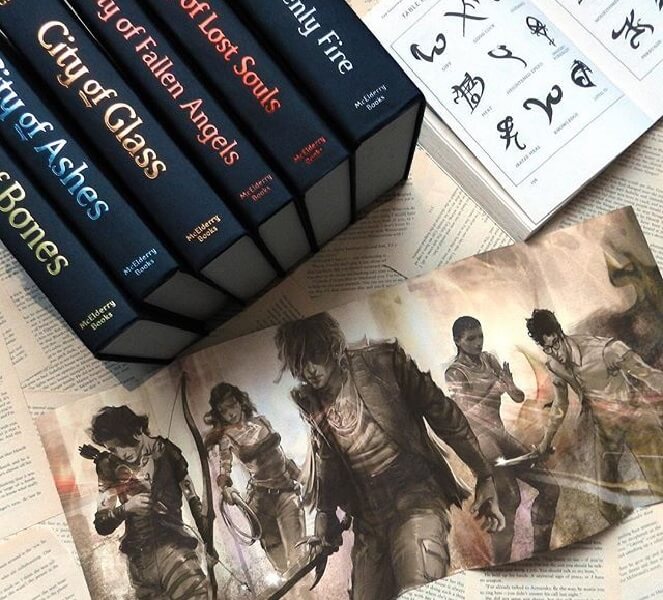
If you are interested in writing, commissioning or even selling fanfiction, there are a few things to keep in mind.
- Make sure your story is original.
- Obtain permission from the copyright holder before you start writing and selling your story.
- Keep in mind that fanfiction can be a good way to get publishers to notice your work. If you write a strong story, a publisher may approach you about publishing it.
- Fanfiction can open the door to publication, but it is still a form of writing: always respect the original work and never plagiarise another author.
Printing fanfiction in book format
Many popular fanfics are now published as books, usually with the permission of the original author and sometimes with their help. The process of turning fanfiction into a book is not always easy, though. Printing a fanfic can be a great way to share your creativity with the world, and also a way to earn extra money if you sell it. If you want to order a fanfic printed as a book, there are several ways to do it.
- Find a printing house that specialises in printing fanfiction.
- Use a print-on-demand service that will print your fanfic on request.
- Find a company that will both print your fanfic and bind it into a book for you.
Each printing option has its pros and cons, so it is important to choose the one that is right for you. Start sharing your work with the world.
Step by step:
- The first step is to secure the rights to the story. This can be tricky, because the copyright holder may not be the author themselves. If the story is based on a pre-existing work, permission from the copyright holder of that work may be required.
- Once the rights have been obtained, the next step is to find a publisher willing to print the fanfic. This can also be difficult, as many publishers are not interested in fanfiction, but there are companies that specialise in publishing it, and self-publishing is always an option.
- The last step is the actual printing of the book – through traditional print-on-demand services or through more specialised fanfiction publishers.
The Internet has made it easier than ever to find and read fanfiction, and as fan fiction grows in popularity, more and more of it is ordered as printed books. Whether you are looking for a specific story or just want to browse, you have plenty of options.
What to consider when ordering fanfiction printing at a printing house
Producing a hardcover or paperback fanfic involves many steps, from writing the manuscript to printing and binding the finished product. The whole process from start to finish can take days or weeks, and the end result is a beautifully bound book that readers will treasure for years.
Important things to keep in mind
There are several points to consider when ordering a fanfic as a book.
- The type of paper. There are many different types of paper, and each has its advantages and drawbacks. The most common paper used for fanfic books is glossy photo paper: it gives a high-quality, long-lasting result but can be expensive. If your budget is limited, it is worth considering a less expensive paper.
- The size of the book. Fanfic books are often large, and you need to be sure that the printing house can handle the size of your book. Many printing houses have a maximum size they can print, so you may need to order the book in smaller sections if it turns out to be too large.
- The type of binding. The most common binding for fanfic books is adhesive (perfect) binding. It gives the book a professional look and feel but can be costly. With a smaller budget it is worth considering a less expensive binding.
- The turnaround time. Many fanfic books are time-sensitive, so you need to be sure that the printing house can meet the deadline. Some companies can print your book in as little as two weeks, while others may need up to six.
- The cost. Fanfic books can be expensive, so before making a final decision get quotes from several different printing houses. Be sure to compare the cost of the paper, the size of the book, the type of binding, the turnaround time and the delivery cost.
Calculating the cost of a fanfiction printing order

When placing an order to print a book, the customer should specify the following:
- the desired number of copies;
- the size of the book;
- the type of paper used;
- the printing technology (digital or offset, for example);
- the number of pages in the book;
- the type of binding;
- the delivery method;
- the delivery address.
There are several other points worth noting.
- The cost of paper varies depending on its quality and weight. The type of paper also affects the price – coated and laminated paper is more expensive than uncoated.
- The printing method plays a role too. Offset printing is the most common method for books and generally offers the lowest cost per copy, while other methods such as digital printing may be more expensive.
- The number of copies printed also affects the cost: printing more copies usually results in a lower cost per copy.
- All of these factors need to be taken into account to arrive at an accurate estimate.
In addition, the customer must provide print-ready files, which normally include the cover and the inner text. The cover file should be supplied as a high-resolution PDF, and the inner text in PDF or Word format.
Workflow
Manuscript
The author writes the manuscript, which is then edited by a professional editor.
Editing
The editor suggests improvements and changes, which the author then incorporates into the manuscript.
Submission to the publisher
Once work on the manuscript is finished, it is sent to the publisher.
The publisher's decision
The publisher decides whether to accept the manuscript for publication.
Typesetting and proofreading
The accepted manuscript is typeset and proofread.
Cover design
A cover design is created and the book is given its title.
ISBN assignment
Printing and binding
The book is printed, bound and sent to the bookshops.
Publication
The publication comes out and becomes available for purchase.
Ready to get started?
Submit your request - a manager will contact you within the day with a detailed quote.