
Textbook printing
Printing textbooks and workbooks to order for schools and universities: editing, layout, black-and-white or full-colour printing, and binding of any type.
- Saves money compared with the high cost of traditional textbooks
- You can add your own touches - photographs, illustrations and notes
- Custom printed textbooks are more durable and last longer
- A more environmentally friendly option than mass textbook printing
- Braille, large print and audio versions for readers with special needs
Custom textbook printing lets school and university students have their own version of a textbook. The service is becoming more and more popular with students who want a more individual and personalised learning experience.
Printing textbooks for schools and universities to order
Interest in publishing textbooks in Ukraine has been growing in recent years. This is caused by a number of factors, including the growing number of pupils in Ukrainian schools and the need for more relevant and accurate information in the classroom.
There is also a growing trend towards using modern technology in the classroom, and textbooks are one way to keep up with it. New technologies let publishers produce more accurate and up-to-date textbooks, which matters a great deal for giving students the best possible education.
Ordering school textbooks on our website is simple. First the customer sends the materials for printing, then enters contact details and a delivery address, and finally chooses a payment method and completes the order. After that the printing house prints and binds the customer’s individual textbook and ships it directly to them.
We are a commercial printing business with its own production facilities and a team of professionals, and we offer a wide range of printing services – from business cards and flyers to large-format printing and binding.
The main parameters of modern textbook printing
Textbooks are an important part of the educational process: they give students the information they need to succeed in their studies. The inside of a textbook consists of the text block and the end papers. The text block is the part of the book that contains the actual text; the end papers are the blank pages at the beginning and the end of the book.
Fonts
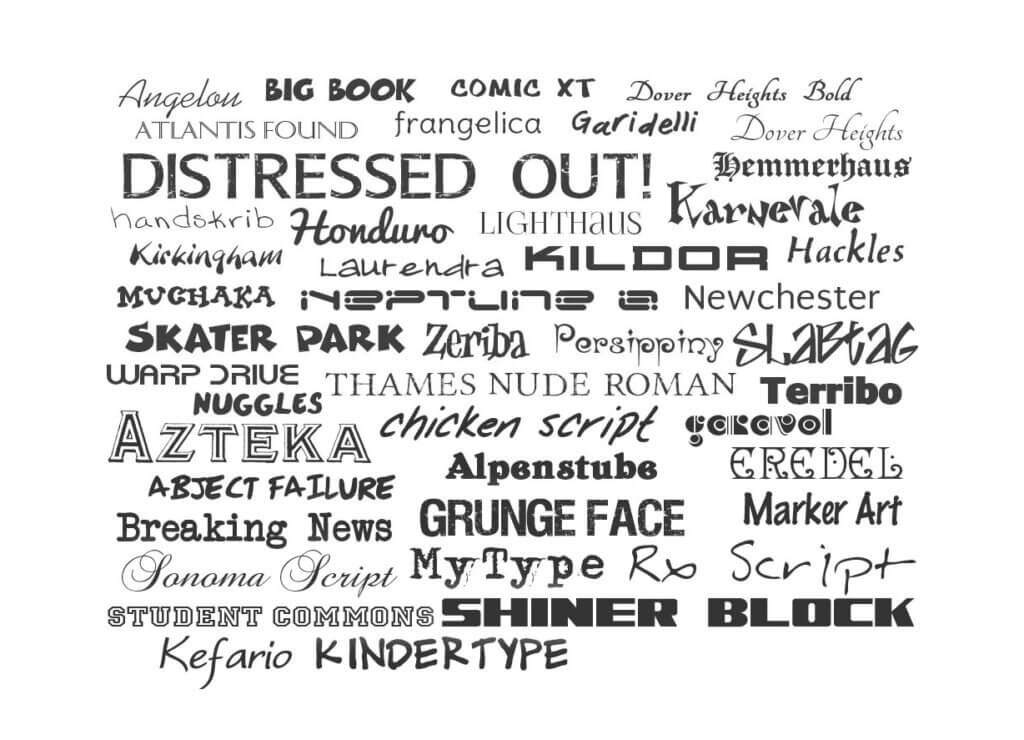
We accept orders for school textbooks every year so that they stay up to date with the latest information in each subject. Books are also produced in Braille for blind readers, in large print for the visually impaired and in audio format. Textbooks use many different typefaces to keep the information easy to read. The most popular ones are:
- Arial
- Times New Roman
- Helvetica
- Sans serif faces
Serif fonts have small strokes at the ends of the letters, sans-serif fonts do not. Both types are easy to read, but sans-serif fonts are generally considered better for long blocks of text.
Colour
Most often we are asked to print a textbook in black and white. Some books, however, are printed in colour – this is especially true for books with a lot of graphics, for example natural science textbooks.
Printing method
- Offset printing is the most common method used for textbooks. It uses a printing plate that transfers the image onto the paper.
- Digital printing is becoming more and more popular for textbooks. It prints the book straight from a digital file, which is faster, more efficient and less expensive than offset printing.
Binding of the inner block
Textbooks are usually held together with staples or a saddle stitch. A saddle stitch is made when the pages are stapled together along the middle of the spine. This type of binding is strong and can hold a large number of pages.
Cover
The cover is the most important part of a book, because it protects the pages from damage. It is made of thick paper or cardboard and is then laminated to protect it from wear.
The textbook printing process
Publishing a book or a textbook has many stages. The first step is to come up with an idea and write a proposal in which you set out that idea and start building an outline for the book. The next step is to find a publisher – through an agent or by sending the proposal directly. Once a publisher is found, a contract is signed that sets out the terms of your agreement, including the fee and the publication date.
Printing a textbook is a complex process that requires skill and precision. The first step is editing the manuscript. We have our own editors who will review your book and suggest changes, and you will then revise the manuscript in line with their suggestions.
Once the book has been edited and proofread, it is time for design. A print-ready file is created, usually in a professional design program – this is where the cover and the layout of your book are made. The finished file is sent to the printing house, where it is printed on large sheets of paper and bound according to the publisher’s specification.
The next step is cutting the large sheets to size and binding the pages together by one of the available methods: stapling, gluing or spiral binding. When the binding is finished, the textbook is ready to be shipped to the customer and made available for purchase.
The whole printing process can take several days or even weeks, depending on the size and complexity of the book. The end result is a high-quality, professionally printed textbook that is completely ready for classroom use.
Workbooks for school
School workbooks are a good way to help a child stay organised and keep up with their studies, because all of their schoolwork stays in one place. There are a few things worth keeping in mind when you decide to order workbooks for school.
Make sure the printed workbooks you choose suit your child’s age. There are many different workbooks and they are not all the same: some are better for younger children, others for older ones. If you are not sure which workbooks are right for your child, ask their teacher or do some research online.
Check the quality before ordering textbooks and workbooks. Some workbooks are better made than others, and the last thing you want is for your child to have to work with a poorly made one.
Finally, make sure the printed school workbooks you choose are affordable. Workbooks can be quite expensive, so it is worth comparing offers.
Keep these three things in mind and you will be able to order the right teaching aids for your child – staying organised and saving money at the same time.
Publishing textbooks in Ukraine
A textbook is a book used at school, in the classroom or for homework. It covers the subject of a particular course and is usually written by professors or other experts in the field, so that students can learn from it and refer to it while working on assignments.
There are different ways to create a textbook.
- A publishing company hires a team of authors, editors and designers and creates the textbook from scratch. This is the most common route, but it can take years and be costly.
- An existing book is adapted for classroom use by adding exercises, questions and other materials designed for teaching. This is less expensive and quicker, but finding the right book for the course can be harder.
- School textbooks are compiled from open sources – materials that are freely available online and can be used without restrictions. This can be a very economical option, although finding high-quality materials takes more effort.
Whichever option you choose, there are a few things to keep in mind when planning a custom textbook.
- The textbook must be accurate and up to date: the information has to be correct and all references have to point to current sources.
- The edition should be accessible to every student – choose a book that matches the level of the course and uses language all students can understand.
- Appearance matters. A textbook should interest students and encourage them to read and study it.
- The textbook should be affordable, that is available at a reasonable price from various sources.
- The textbook should be easy to use: well organised, so that the needed information is easy to find.
Order printing of textbooks and school books
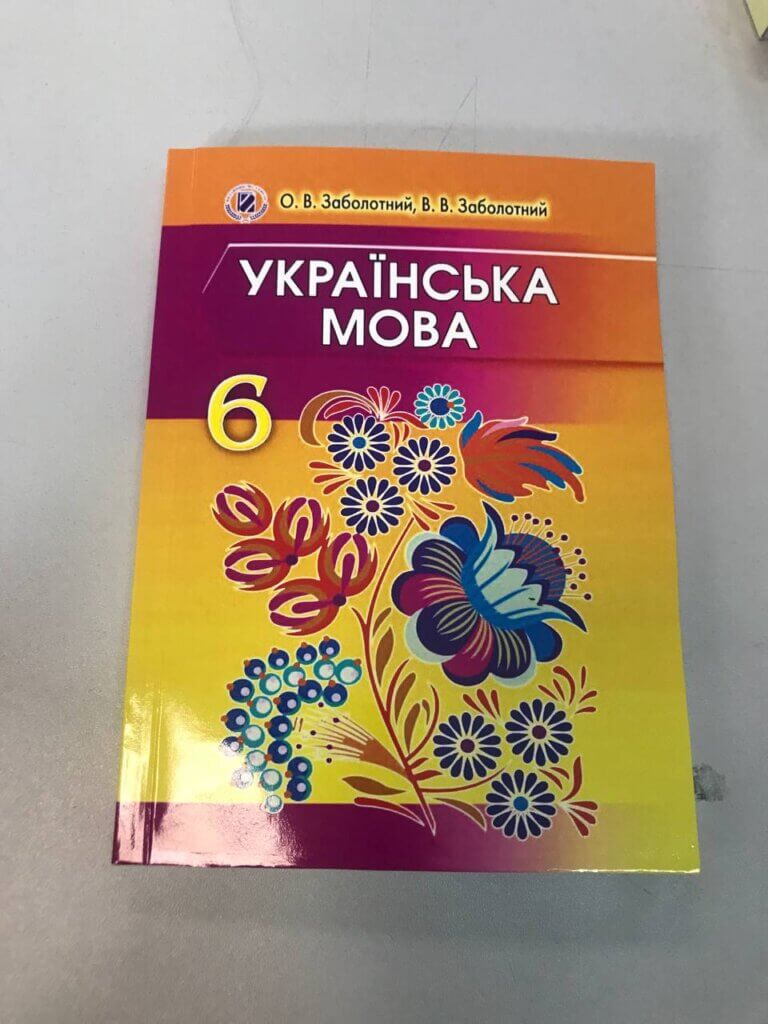
Ordering books for school at a printing house can look like a daunting task, but with a little preparation and planning it goes smoothly. If you turn to our publishing house, the process will be as simple and affordable as possible.
Here are some tips to help you get started:
- Know your school’s requirements. Every school has its own requirements for the textbooks students need, so check what exactly is required.
- Make a list. Once you know what is required, list the books you need – this keeps you organised and makes sure nothing is forgotten.
- Compare prices. The cost of a print run varies depending on the paper, the printing method, colour and quantity. Our managers will make the preliminary calculation for you.
- Place the order. Ordering school books takes a few minutes by phone or e-mail – choose whichever way is more convenient.
- Wait for your books. Depending on the volume of work, delivery can take from a few days to a week.
With these tips in mind, ordering books for school from a printing house is not difficult – just remember to start early, so that everything is ready in time for the beginning of the school year.
How the price of textbook printing is formed
The cost of printing a textbook or a book is determined by a number of factors:
- the type of paper used;
- the size of the book;
- the colour used in printing;
- the number of pages;
- pre-press preparation;
- post-press work;
- design and other services.
The first step is to determine the type of paper. There are many types of paper, each with its own advantages and disadvantages, and the choice affects the overall cost of printing.
The next step is the size of the book: the larger the book, the more expensive it is to print. The number of pages also plays a role, as does the number of colours used – full colour costs more. Finally, the size of the print run matters: the more copies are needed, the higher the total cost of the job.
All of these factors have to be taken into account before ordering school textbooks, because only together do they give an accurate estimate of the final cost.
Workflow
Collect the materials
Gather the text together with all illustrations and other graphics that will go into the book.
Choose the printing method
Offset or digital printing is chosen depending on the type of edition and the size of the print run.
Determine the print run
Decide how many copies are needed, including a few spare ones in case some are damaged during production.
Send the materials to the printing house
We check the files and prepare a quote for the printing.
Approve the quote and the print job
Once the quote is agreed and the deposit is paid, printing starts and the finished books are delivered within the agreed time.
Ready to get started?
Submit your request - a manager will contact you within the day with a detailed quote.