
ISBN for electronic publications. Registration and obtaining an ISBN code
An ISBN for electronic publications is a unique international number for e-books, audiobooks and other digital formats. It guarantees the uniqueness of an edition, opens the way to global bookshops and libraries, increases readers’ trust and helps to protect the author’s rights.
- A unique identifier for e-books and audiobooks
- Recognition in the global book community
- Easier promotion in shops, libraries and search engines
- Support for proving authorship and protecting rights
An ISBN for electronic publications is a unique identification number. It is assigned to e-books, audiobooks and other digital formats of literature. This international standard book number guarantees the uniqueness of an electronic edition and makes it easy to track, recognise, order and sell on the global market. In this way, the use of an ISBN for electronic publishing brings structure and standardisation to the digital publishing industry and makes life easier for authors, publishers and readers alike.
ISBN: a universal identification tool
The International Standard Book Number (ISBN) is a unique number used to identify books and other printed editions. It also covers electronic publications, software and other materials. The ISBN applies to a wide variety of formats, including:
- electronic publications – books, magazines, newspapers, software and other materials available in electronic form;
- software products, for example educational programs, games and office software;
- technical manuals issued as a supplement to a software product;
- separate components that can be distributed independently or as a complete package;
- combined editions consisting of several parts – each part receives its own ISBN;
- digitised copies of printed editions that are available in electronic form;
- teaching aids in the form of slides, films and videos;
- microforms, including microfilm and microfiche;
- publications for the blind in Braille.
An ISBN is assigned to every publication regardless of the physical form in which it is presented. It identifies the publisher and is not used to identify the distributor. Ultimately, the ISBN is an important tool for keeping order in the diversity of literary and educational products: it allows libraries, bookshops and other organisations to identify and track editions easily.
E-books in Ukraine
An electronic book (e-book) is an electronic version of a printed book. It can be stored on a computer, a tablet, a smartphone or a dedicated e-book reader.
E-books have become popular in Ukraine in recent years. According to a study by GfK Ukraine, 2.5 million e-books were sold in Ukraine in 2022, which is 30% more than in 2021.
The reasons for the popularity of e-books in Ukraine include the following:
- accessibility – e-books are cheaper than printed books;
- convenience – an e-book can be read on any device, anywhere;
- environmental friendliness – e-books do not require paper.
The Ukrainian e-book market is served by both foreign and domestic publishers. Among the foreign ones the most popular are Amazon, Barnes & Noble, Kobo and PocketBook. Among the Ukrainian ones the following are worth mentioning:
- the Buklya book club;
- Yakaboo.
There are also several online services in Ukraine that offer e-books by subscription, among them:
- Bookmate;
- Chytaylyk.
The e-book industry in Ukraine continues to develop, and the market is expected to grow and become more diverse in the coming years.
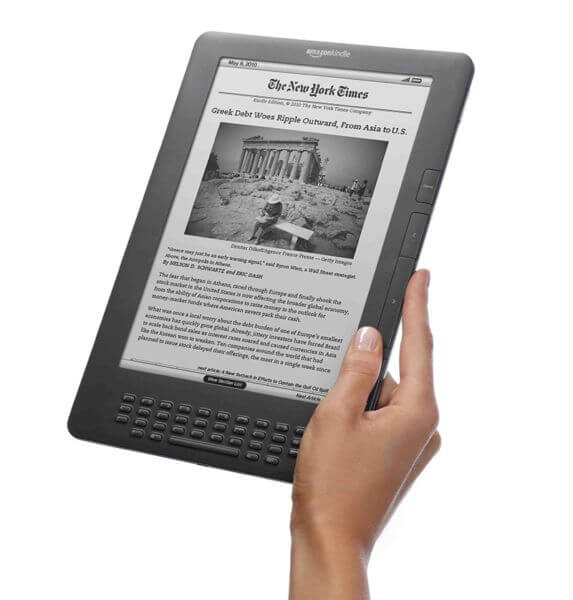
Here are some of the trends in the Ukrainian e-book market:
- a growing number of e-book readers – more and more people in Ukraine are starting to read electronic books;
- the development of the Ukrainian-language segment – Ukrainian publishers are releasing more and more e-books in Ukrainian;
- the emergence of new e-book formats that make reading more comfortable.
These trends show that e-books are becoming ever more popular in Ukraine.
ISBN for electronic publications: evolution and assignment in Ukraine

In the era of digital development, electronic publications are becoming an integral part of the literary world. This change brings changes to the system of international standard book numbers as well, and Ukraine is no exception.
In Ukraine it is possible to buy an ISBN for an electronic edition. A number of organisations provide this service, which can be a convenient option for independent authors or small publishers.
The transition from traditional books to e-books
The modern reader, surrounded by technology, increasingly prefers the convenience of electronic editions. E-books provide instant access to world literature through online platforms, bringing the library to the screen of a smartphone. This transition means not only a change of format, but also new requirements for the ISBN identification system.
Changes in the ISBN system: Ukraine at the crossroads of innovation
In Ukraine, as in many other countries, there is a clear shift from traditional books to electronic editions. This places new demands on the ISBN system, which has to adapt effectively to digital reality. The main changes concern formats and the assignment of unique codes.
The ISBN for electronic publications is becoming a key element that ensures the uniqueness and structuring of digital literature. Online procedures for assigning ISBNs reflect current trends and make it easier for Ukrainian works to enter the global literary community.
Features of an electronic ISBN
The ISBN system is becoming an integral part of electronic literature, providing a unique identifier for every electronic edition. Let us look at the features of electronic ISBNs and at the differences in the way they are assigned to different e-book formats.
The main features of an electronic ISBN are:
- a unique code – just as for printed editions, an electronic ISBN guarantees that every code is unique, which ensures the unambiguous identification of each electronic work;
- the structure of the code – a modern ISBN consists of 13 digits, as opposed to the 10 digits of the old format, and includes a group identifier, a publisher prefix, an edition number and a check digit;
- additional elements – an electronic ISBN may include extra elements that reflect the specifics of the electronic format, for example information about the file format or the type of device the edition is intended to be read on.
The changes in the ISBN system for electronic publications mean the following:
- technical adaptation – the system adapts to changing formats, which gives better coverage of the various electronic formats and ensures effective identification;
- support for innovation – the changes create a basis for introducing new technologies and formats on a global scale.
An electronic ISBN therefore expresses not only uniqueness and structure, but also readiness to adapt to different e-book formats. The additional elements in an ISBN for an electronic edition ensure not only its uniqueness, but also its compliance with today’s technological requirements.
The benefits of an ISBN for electronic publishing
In the world of digital technology electronic editions are becoming more and more popular, and the International Standard Book Number is a key tool for a successful entry into the market. Here is what an ISBN gives an electronic publication:
- unique identification – an ISBN makes it possible to distinguish one edition clearly from another among the huge variety of e-books;
- global visibility – once an e-book has been assigned an ISBN it becomes part of the global book community, which opens the door to worldwide visibility and distribution;
- global accessibility – with an ISBN an e-book easily crosses geographical borders, allowing authors and publishers to widen the audience of their works;
- readers’ trust – the presence of an ISBN gives readers confidence in an electronic edition and makes it look like an official, registered work;
- promotion and marketing – an ISBN makes an e-book more attractive to bookshops, online platforms and libraries that promote literary works;
- legal protection – an ISBN serves as a tool for protecting copyright, which is especially important in electronic publishing, where the threat of piracy and illegal copying is high;
- easier proof of rights – with an ISBN it is easier to prove authorship and ownership of the rights to a work, which simplifies legal proceedings in case of copyright infringement;
- search and recommendations – an ISBN increases the visibility of a work in search engines and on online platforms and simplifies the process of finding and recommending books to readers;
- more distribution opportunities – e-books with an ISBN gain access to more distribution channels, including large online shops, libraries and literary agencies.
Obtaining an ISBN for an electronic edition in Ukraine gives authors and publishers a unique opportunity to make their works available to readers worldwide. Buying an ISBN is therefore an important step for anyone who takes their electronic works seriously.
ISBN registration: an important step in promotion
Registering an ISBN gives an electronic edition the chance to enter the global literary ecosystem: a registered work becomes part of the world literary fund. When an electronic edition has an ISBN, its credibility grows – readers, shops and libraries tend to take books with a unique identifier more seriously.
Using an ISBN for an electronic edition does not only ensure unique identification. It is also a key to successful promotion, to the protection of copyright and to greater visibility of the work on the global digital literature market.
Obtaining an International Standard Book Number for an electronic work is a key step towards its successful entry into the global market.
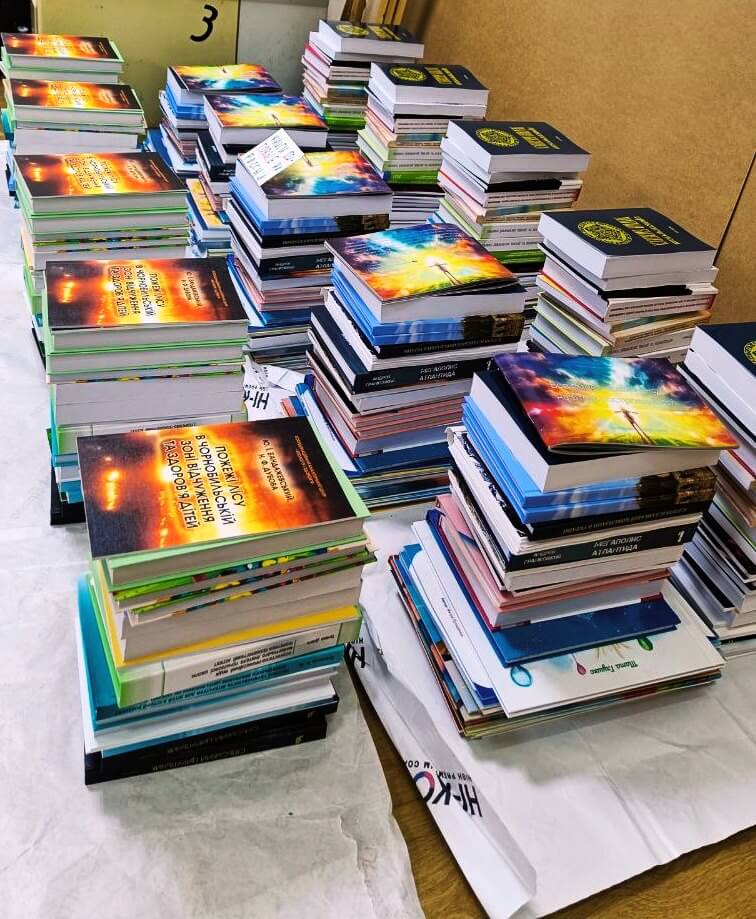
Standardisation of electronic publications
The standardisation of digital publishing is the process of developing and implementing standards that define the characteristics, requirements and test methods for digital editions. Standards ensure consistency between the various participants in the process of creating and using digital publications – publishers, developers, users and libraries.
The standardisation of electronic publications has a number of advantages:
- accessibility – standards make electronic editions more accessible to users because they ensure availability on different devices and platforms;
- better compatibility – standards help to make electronic editions compatible with various applications and systems, which makes them easier to use;
- durability – standards help to ensure the longevity of electronic editions and make them easier to store and transfer.
The main areas of standardisation for electronic publications are:
- file formats used to store digital editions – they define the structure and content of a publication and make it easy to read and process;
- metadata used to describe digital editions – it provides information about the content and structure of an edition, which makes it easier to find and use;
- content standards – they define the requirements for the content of an electronic edition, ensure its quality and help users find the information they need;
- technical standards – they define the technical requirements for electronic editions, ensure their smooth operation and their compliance with security requirements.
The standardisation of electronic publications is an important process that helps to ensure their quality and accessibility, makes them more convenient for users and increases their value.
Workflow
Establishing the need for an ISBN
The author or the publisher decides whether an ISBN is needed, based on the plans for distributing and promoting the electronic edition.
Choosing a provider
Several organisations issue ISBNs. Our publishing house offers the assignment of an ISBN code as part of its publishing services.
Filling in the application
The author or the publisher fills in an electronic form with the details of the work, the publisher and other required data. This stage guarantees that the code will be unique.
Preparing the information
For a successful registration you need the title, the author, the publisher, a description of the content and other details of the book.
Receiving the ISBN
Once the application has been processed, the author or the publisher receives a unique ISBN that can be used for the corresponding format of the electronic edition.
Ready to get started?
Submit your request - a manager will contact you within the day with a detailed quote.