
Book binding (types)
Book binding is part of the design of an edition: it determines how the book feels in the hand, how long it lasts and what impression it leaves. Hardcover, softcover, integral and spring binding, dust jackets, a choice of materials and post-press finishing at the Kavun printing house.
- Hardcover, softcover, integral and spring binding
- Dust jackets, headbands and endpapers
- Cardboard, laminated paper, cloth, leatherette and genuine leather
- Lamination, embossing, foil stamping and selective varnishing
Book binding is more than just a way to hold pages together. It is part of the design and an important element that determines how the book will feel in the reader’s hands, how durable it will be and what impression it will leave. For authors, publishers and customers, choosing a binding is a crucial step that determines both the ease of reading and the durability of the book. In this article we look at the main types of book binding, their features, pros and cons, to help you choose the best option for your needs.
Why the choice of binding matters
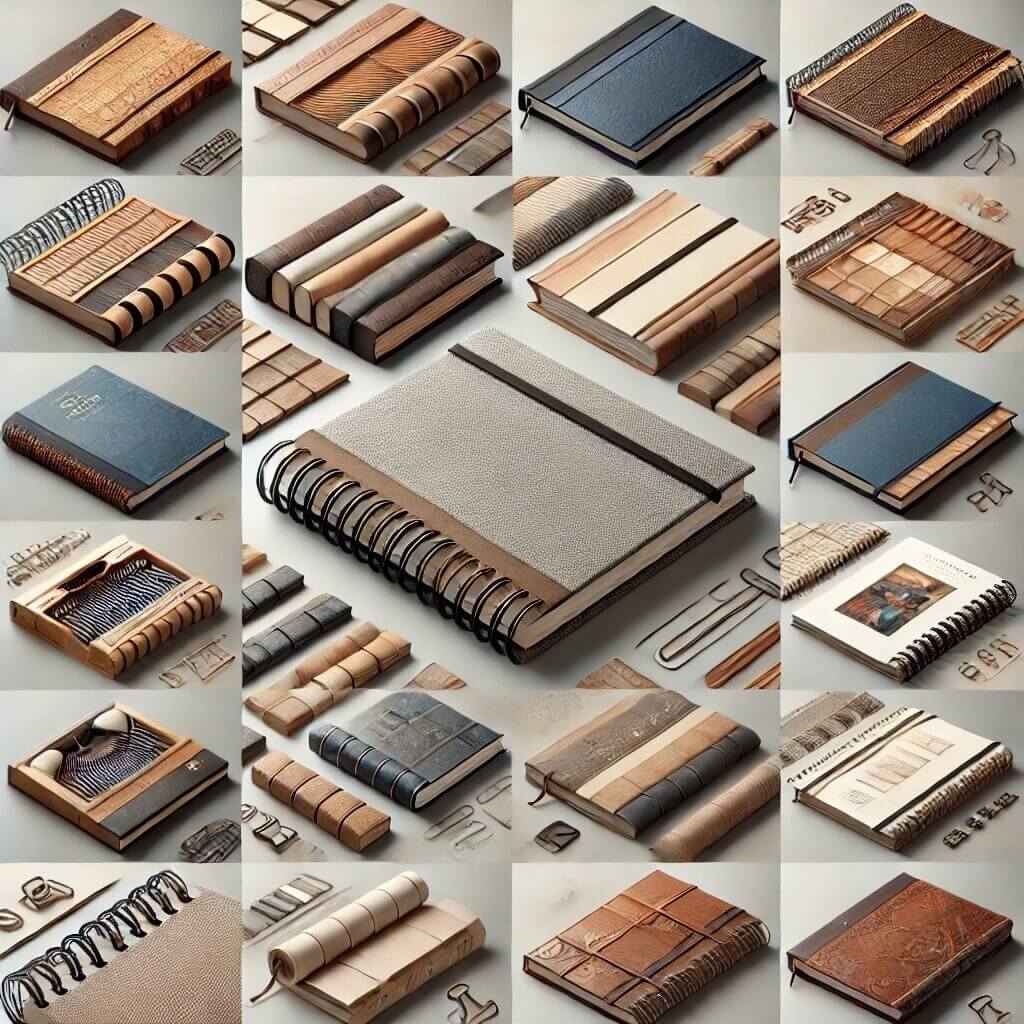
The choice of binding affects several aspects at once. First of all, it is the physical form of the book: how it will look, feel and function. The quality and type of binding determine how well the book will withstand frequent use and changes in temperature. This is especially important for books that are meant to be opened often: textbooks, reference books and manuals.
In addition, the right type of book binding helps to emphasise the importance of the edition. A premium hardcover creates a sense of seriousness and professionalism, while a lightweight paperback binding is convenient for mass-market editions that need to be light and affordable.
The binding is an important stage in the creation of a book. A hard binding gives the edition a presentable appearance and durability, a soft binding provides convenience and affordability, an integral binding combines lightness and strength, and a spring binding offers practicality for working materials. That is why the Kavun printing house offers a wide selection of bindings and post-press finishing, so that every book reflects your idea and meets practical needs.
Hardcover
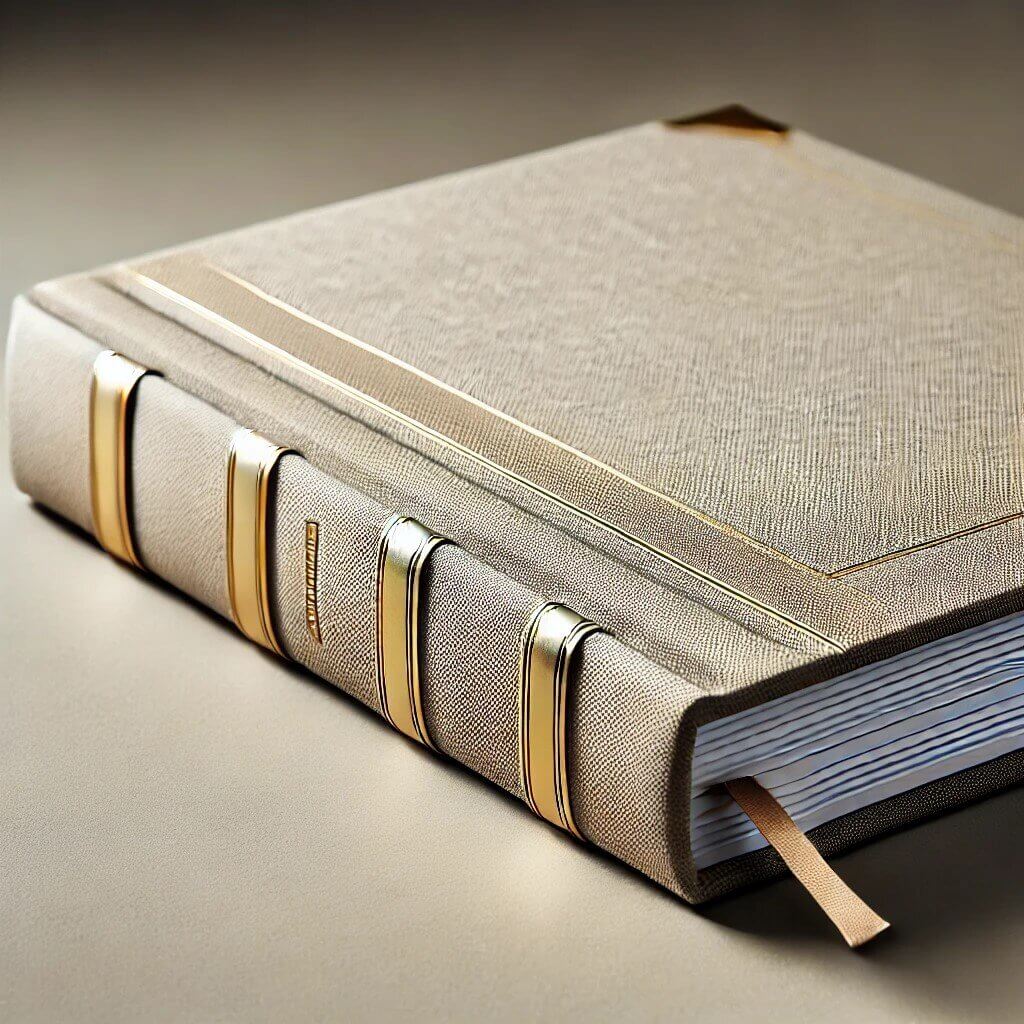
Hardcover is one of the most popular and durable ways of binding pages. It uses a rigid cover, usually made of thick cardboard, which is covered with cloth, leatherette or laminated paper. A cover made this way is resistant to mechanical damage, protects the pages from moisture and preserves the shape of the book.
Advantages of a hardcover
- Durability and strength. A hard cover made of thick cardboard protects the book from damage and makes it resistant to wear.
- Solid appearance. Hardcover books look presentable, which matters for business and official editions.
- Resistance to frequent use. Such books can be opened many times without damage to the spine or the pages.
- Protection of the pages from external factors. A thick cover shields the pages from moisture, dust and dirt.
- Room for decorative elements. Embossing, foil stamping or lamination can be applied to the cover, which adds to the aesthetics of the book.
Disadvantages of a hardcover
- Higher cost. A hard cover is more expensive to produce, which affects the final price of the book.
- Weight. Hardcover books can be heavy, which makes them harder to transport and store.
A hardcover is an ideal choice for encyclopaedias, art albums, official documents, commemorative and collectible books. It adds status and makes the book attractive both for private collections and for public libraries.
Softcover
A softcover is a lightweight, economical binding method in which the pages are joined to the cover with glue. The cover is made of thick paper or card and can be laminated for extra protection. Softcover binding is popular for mass-market editions such as textbooks, magazines, brochures and light reading.
Advantages of a softcover
- Light and compact. A soft cover reduces the weight of the book, which makes it convenient to transport and store.
- Cost efficiency. This binding is cheaper, which matters for books aimed at a mass readership.
- Ease of production. A softcover is simpler to produce, so such books can be printed quickly and in large runs.
- Design flexibility. The cover can be decorated with bright illustrations and graphics, which makes it attractive for textbooks, magazines and advertising materials.
- Flexibility. Soft covers do not crack when opened often, which suits books that are used frequently.
Disadvantages of a softcover
- Lower durability. Paperback books are less resistant to wear, especially with heavy use.
- A tendency to warp. A soft cover can warp when exposed to moisture and during reading.
Softcovers are often used for educational materials, poetry collections, brochures and guidebooks. They are ideal for mass-market editions that need to be affordable and easy to read.
Integral binding
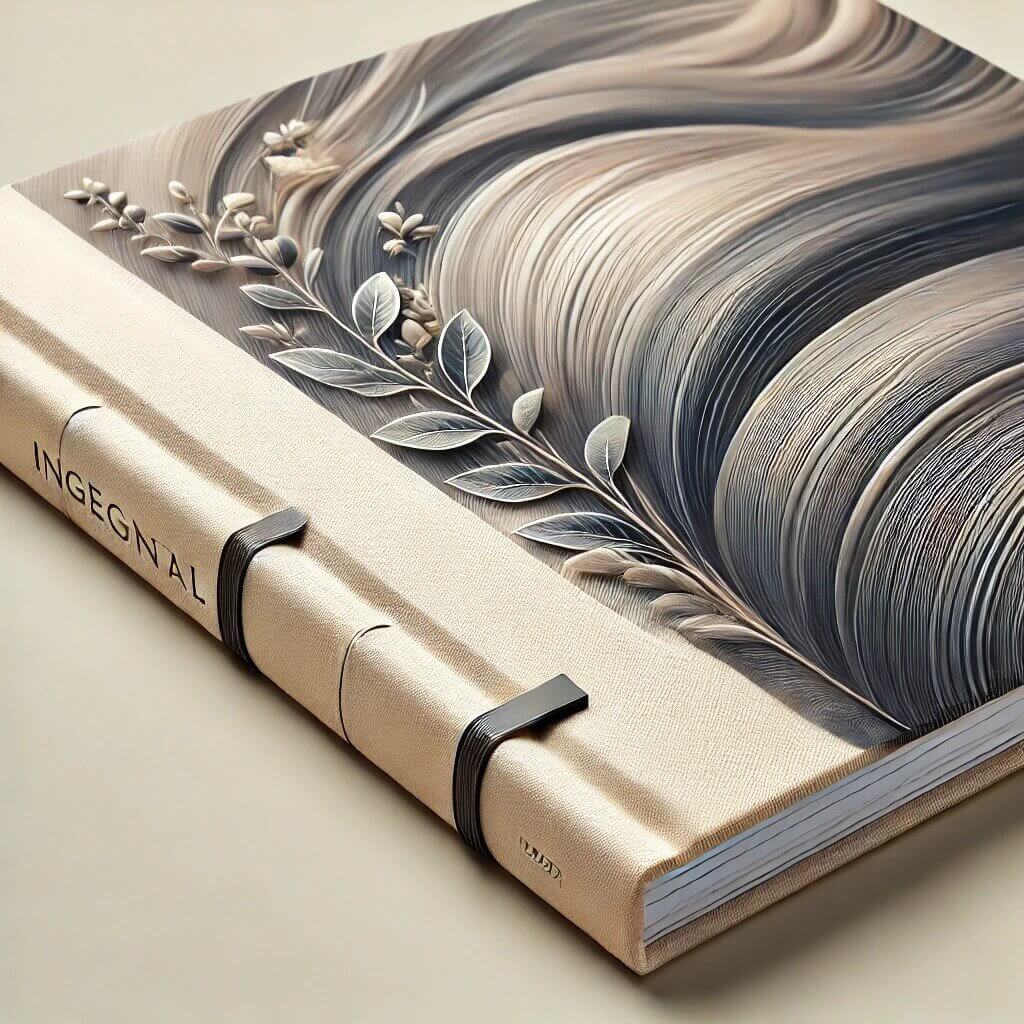
Integral binding is a hybrid between a hardcover and a softcover. The cover is made of thick card and is additionally laminated, and it can have a rigid insert. An integral binding combines the lightness and flexibility of a softcover with the strength of a hardcover, giving a balance between ease of use and durability.
Advantages of an integral binding
- Moderate strength. An integral binding is stronger than a soft one, yet more flexible than a hard one, which suits medium formats.
- Elegant appearance. The cover looks presentable while remaining light and easy to use.
- Lower cost than a hardcover. An integral binding costs less than a hard one but still provides durability, which is especially relevant for creative and gift editions.
- Reading comfort. The flexible cover makes the book comfortable to hold, which is important for art and photo albums.
- Suitable for a wide range of tasks. Thanks to its hybrid qualities, an integral binding works well both for reading and for design-led editions.
Disadvantages of an integral binding
- It is not as durable as a hardcover. Although an integral binding is strong, it is still less robust than a hard one.
- Limited use. It does not suit every type of edition and is mostly used for medium-sized books.
Integral binding is used for guidebooks, fiction, photo albums and other editions where both a presentable look and ease of use are required. It is a compromise for those who want a high-quality edition that is not too expensive.
Spring binding
Spring binding is a method in which the pages are joined to the cover with a metal or plastic spiral. This type of book binding lets the book open a full 180 degrees, which is convenient for reading and for using the book on a desk. Spring binding is often chosen for working materials such as presentations, study guides and notebooks.
Advantages of a spring binding
- A full 180-degree opening. The pages stay fixed in the open position, which is especially convenient when working at a desk.
- The option to replace pages. If necessary, individual pages can easily be replaced without damaging the binding.
- Ease of use. Such books are convenient as reference materials, because they open easily and lie flat on a desk.
- Durability with careful use. A spring binding holds the pages securely together if the book is handled with care.
- Suitability for study and working materials. Spring binding is ideal for study guides, notebooks and cookbooks, as it gives quick access to the information needed.
Disadvantages of a spring binding
- Lower durability. A spiral binding does not protect the pages as well as a hardcover or a softcover.
- Limited use. Spring binding is rarely used for fiction and collectible editions.
Spring binding is often used for study materials, presentations, workbooks and cookbooks. It is convenient to use and suits reference books that need to stay open on a desk.
A book block without a binding
A book block without a binding is a format in which the pages are fastened together without a cover. This type of binding is used for booklets, brochures and short instructions. The pages can be held together with staples or with glue along the edge, which makes the process fast and inexpensive.
Advantages of a book block without a binding
- Minimum production cost. This is the cheapest of all the options, which makes it convenient for temporary materials.
- Simplicity and speed of production. It requires less preparation time, because there are no additional cover materials.
- Suitability for advertising and information materials. A block without a binding is convenient for booklets, leaflets and short-lived instructions.
- Saving of space and weight. Such blocks are convenient for handing out at events and promotions, as they take up less space and weigh less.
- Ease of use. A block without a binding is convenient for temporary use, as it is easy to open and to carry.
Disadvantages of a book block without a binding
- Limited durability. This type of binding does not protect the pages from damage, so it suits only temporary and short-lived editions.
- Limited use. It is rarely used for full-length books, as it does not give the required level of protection.
A book block without a binding is used for booklets, leaflets, event programmes and instructions. It is ideal for materials intended for short-term use.
Dust jacket: style and extra protection
A dust jacket is a separate paper wrapper that is placed over the main cover of the book. It not only decorates the edition but also protects it from damage. Dust jackets are often used for premium and gift books, as well as for collector’s editions. This element allows more detail and decorative accents to be added, making the book unique and stylish.
Advantages of a dust jacket
- Protection from dirt and wear. The dust jacket shields the book from dust, stains, scratches and other damage to which the main cover is exposed. The jacket itself can easily be removed and replaced if it is damaged, which helps to keep the book in perfect condition.
- Extra space for design. A dust jacket gives more room for design and promotional information. It can carry not only the title and the author’s name, but also reviews, a blurb, photographs, a summary and reading recommendations, which complements the visual and textual design of the book.
- Scope for creative finishing. A dust jacket can be made of different materials such as paper, plastic or laminated film. Decorative techniques such as selective varnishing, embossing or foil stamping are often used to make it especially attractive, which is a good way to give the book a more expensive look and emphasise its individuality.
- A bookmark function. Many readers use the dust jacket as a temporary bookmark by tucking in its flaps. This is especially handy for anyone who wants to remember a particular page and come back to it later.
A dust jacket gives the book an aesthetic and professional look and protects it at the same time. It is ideal for books intended as gifts or for a collection, and it is especially popular for fiction and non-fiction.
Types of hardcover for books
A hardcover is used for books that need durability, a presentable look and protection of the pages. There are, however, several types of hard binding, each with its own features and suited to specific purposes. Let us look at the main types of hardcover book binding.
Classic hardcover (type 7)
This binding is considered the standard for most premium editions. The cover is made of thick cardboard, which can be covered with cloth, leatherette or laminated paper.
- Strength and durability. This binding gives the pages a high level of protection and shields the book well from external influences.
- Elegant appearance. Materials such as leather or cloth make the book look solid and attractive.
- Wide scope for finishing. Decorative elements such as embossing and foil stamping are easy to apply to the cover, which makes the book distinctive.
A classic hardcover is often chosen for encyclopaedias, art books and business editions.
Hardcover with a dust jacket
This version of the classic binding is supplemented with a dust jacket that protects the cover from dirt and wear. The jacket is usually made of thick paper and can be decorated with illustrations, text or foil.
- Extra protection. The dust jacket guards against dirt, dust and accidental damage.
- Design possibilities. The jacket can carry more information and decorative elements, which increases the visual appeal.
- Replacement if damaged. If the jacket wears out, it can easily be replaced while the main cover stays intact.
This type of hardcover suits gift and collectible books, as well as editions that need special protection.
Hardcover with an integrated headband and endpapers
The headband and the endpapers are elements that strengthen the binding and improve the appearance of the book. The headband is a fabric band attached at the head and the tail of the spine, and the endpapers join the case to the book block.
- Extra strength. The headband protects the edges of the spine and increases the durability of the binding.
- An aesthetic appearance. Endpapers can be chosen by colour and pattern, which allows stylish accents to be added.
- Flexibility when opening. Such bindings let the book open more easily, which makes reading more comfortable.
This type of binding is often used for large multi-page editions such as encyclopaedias and reference books.
Binding with a cloth-covered spine
In this type of binding the spine of the book is covered with cloth or leatherette. This element adds strength and elegance to the book.
- A strong binding. Cloth on the spine makes the binding more resistant to tearing.
- A stylish appearance. A fabric covering gives the case a classic and solid look.
- The option to combine materials. The boards and the spine can be finished in different materials, which makes the book distinctive.
This binding is often used for anniversary and collectible editions, where a prestigious appearance matters.
Hardcover with a laminated cover
A laminated hardcover has an additional coating on the cover that protects it from damage and gives it a glossy or matt finish.
- Protection from scratches and moisture. Lamination makes the cover more resistant to external influences.
- Aesthetics. Glossy lamination adds shine, while matt lamination creates a restrained and elegant look.
- Easy care. Such covers are easy to clean, which extends the life of the book.
This type of hardcover is often used for photo albums, art books and any edition where it is important to preserve the brightness of the image on the cover.
Hardcover with embossing and foil stamping
This binding uses decorative techniques such as embossing and foil stamping, which give the book individuality and a luxurious feel.
- A striking appearance. Embossing makes the cover more textured, and foil adds shine.
- A way to highlight important elements. The title of the book or a logo can be picked out with foil or embossing.
- A premium impression. A binding with decorative elements is perceived as more prestigious and expensive.
This type of binding is often used for collectible and gift editions, as well as for books aimed at a premium audience.
Each type of hardcover has its own advantages and features, which makes it possible to choose the best option for any book, whether it is a business edition, a gift album or a collector’s book.
How to choose a binding for different types of editions
It is important to choose the right type of binding for each book. It affects convenience, durability and the presentable look of the edition, and helps to emphasise its purpose. Here are several recommendations for different types of books.
- For business and official editions. A hardcover is the ideal choice for business and official literature. It adds status to the book and emphasises its seriousness. This type of binding is wear-resistant and protects the pages from damage, which suits documents, reference books and other important materials. A hardcover also creates an impression of reliability and durability.
- For mass-market editions and textbooks. A softcover is the best choice for books that have to be affordable for a wide audience. It reduces production costs and the weight of the book, which is useful for large print runs such as textbooks and magazines. The lightness of a softcover makes books easier to transport and store, and it lowers the overall cost of the edition, which makes it a popular choice for educational and popular books.
- For creative and gift books. An integral binding combines ease of use and aesthetics. It attracts attention thanks to its hybrid construction, which unites the lightness of a soft cover with the strength of a hard one. Integral binding is a good fit for creative editions such as albums, gift books and photo albums. It makes the book comfortable to read and at the same time adds to its presentable look.
- For working materials and reference books. A spring binding is a practical and functional choice for workbooks and reference materials. It lets the book open a full 180 degrees and holds the pages in place. This is convenient for everyday use, because the book stays open at the page you need. This type of binding is often chosen for manuals, cookbooks, workbooks and presentations. It gives easy access to information and withstands frequent opening, which makes it ideal for reference materials and professional handbooks.
The right choice of binding lets you emphasise the individuality of the edition and ensure a long service life.
Materials for binding
The choice of binding material plays a key role in creating the look of a book. It affects durability, protection of the pages and aesthetics. Different materials suit different purposes and styles, and each has its own features. Let us look at the main materials that are often used for all types of book binding.
- Cardboard is one of the most popular materials for hard covers. It is strong and wear-resistant. Cardboard boards can be laminated to increase durability and protect them from moisture, and they are often covered with cloth or paper to create a more attractive appearance.
- Laminated paper protects the book from scratches and moisture. Lamination can be glossy or matt: glossy gives the book shine and brightness, while matt creates a calmer, more restrained look. Laminated paper is an excellent option for books where a colourful and durable binding matters.
- Cloth adds a particular elegance and a sense of warmth to the book. It can be cotton, linen or a synthetic material. Cloth bindings are often used for gift or collectible editions. Cloth is also easy to work with: it can be embossed or even embroidered, which makes the book distinctive.
- Leatherette is an affordable alternative to genuine leather. It looks stylish and resembles real leather, and the material is hard-wearing and resistant to damage. Leatherette comes in different textures and colours, which allows you to experiment with the cover design. It is often used for business and official books that need a solid, restrained look.
- Genuine leather is a premium binding material. It looks expensive and attracts attention, so a leather binding suits books that are meant to emphasise status and individuality. It is also strong and wear-resistant, although genuine leather requires special care and can be more sensitive to external influences.
- Metallised and decorative coatings. To create a bright, memorable design, metallised and decorative coatings are used. These can be gold or silver film as well as textured materials. Such coatings work very well with foil stamping and embossing.
What's included in the service
Lamination and coating
Lamination protects the cover, adds strength and improves the appearance. It can be matt or glossy: a matt coating creates a restrained, refined look, while a glossy one makes the cover bright and eye-catching. The choice depends on the effect the customer wants.
Embossing and foil stamping
These elements add refinement and are especially popular for gift editions. Gold or silver foil on the cover makes the book look luxurious, and this finishing also helps to emphasise the title or a logo.
Selective varnishing
Varnish can be applied selectively to pick out individual elements - a logo, the title or decorative patterns. This approach adds depth to the cover design.
Headband and endpapers
The headband is a strip of fabric that reinforces the head and the tail of the spine, and the endpaper is the inner sheet between the case and the book block. These elements make the book more attractive and extend its service life.
Overall varnishing of the cover
Unlike selective varnishing, the varnish is applied over the whole cover, which gives it extra shine or a matt finish. The varnish coating protects against damage and makes the cover more resistant to dirt.
UV printing
UV printing produces bright and durable images on the cover with rich colours. The method is resistant to fading and suits detailed images such as illustrations or photographs.
Trimming to an individual format
This allows a non-standard size or shape of the book to be chosen. It is relevant for children’s books, booklets, albums and other editions where a unique visual effect matters.
Metal corners
Reinforcing the corners of the case with metal elements adds durability and protects the book from damage. This decorative element is especially in demand for luxury and collectible editions.
Ready to get started?
Submit your request - a manager will contact you within the day with a detailed quote.